The MOTWB journal
A little more room to think.
Practical reflections on mental health, relationships, neurodiversity and well-being — with a dedicated space for Sharon Boyd’s director-led writing.
Latest thinking
Journal posts
20 imported source posts.

2: Masking, Meltdowns, and Shutdowns – What Anxiety ReallyLooks Like
😶 Anxiety Isn’t Always Out Loud For many neurodivergent adults, anxiety doesn’t look like panic—it looks like: - Appearing calm while internally screaming (masking) - Total emotional overwhelm (meltdown) - Going…
Directors' Blog
Read article ↗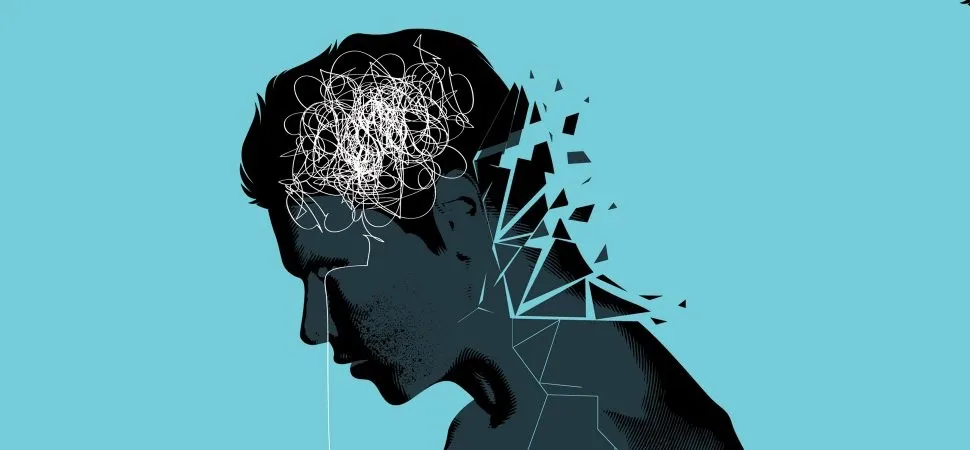
1: Anxiety in the Neurodivergent(ND) Brain – It’s Not JustWorry
🔍 Let’s Start With This: You’re Not “Overreacting” If you’re neurodivergent (ADHD, autistic, or otherwise), you’ve likely heard it all before: - “You’re too sensitive.” - “You’re always overthinking.” - “Just calm…
Directors' Blog
Read article ↗
11. Supporting Your Child After an Anxiety Episode
🌀 The Aftermath Matters After an anxious moment, your child might feel: Embarrassed or ashamed Confused about what happened Tired or drained This is your chance to help them recover and learn—not through lectures, but…

10. “You’re Not in Trouble” – Helping Anxious Children Feel Emotionally Safe
🧠 Anxiety Often Feels Like Danger Many anxious children interpret correction or redirection as rejection. Even a kind “No” can make them feel like they’re failing or in trouble. 🧘 What Emotional Safety Sounds Like:…

9: Predictability and Routine – The Secret to a Calmer Brain
🧭 Why Routine Helps When the world feels unpredictable, anxiety rises. Routine acts like a soft blanket—it provides structure, safety, and fewer surprises for the brain to worry about. 🧩 What Predictability Looks…

8: “I Can Do Hard Things” – Building Resilience in Anxious Children
💪 What Is Resilience? Resilience Resilience isn’t about “being tough” or never feeling afraid. It’s about learning how to get back up after a wobble. It’s the quiet confidence that says, “Even if something is hard, I…

7. Teaching the Brain to Accept What We Can’t Control
☁️ Mindfulness = Noticing Without Fixing Not all anxiety needs to be fixed. Some of it just needs to be seen, felt, and gently moved through. Mindfulness teaches kids that emotions are like clouds—they pass. 🧘♀️ Try…

6.I Am a Confident Lion – Using Visualisation
🦁 Your Inner Lion Is Always With You Visualisation is powerful. It helps children tap into bravery they already have—even when anxiety tries to tell them otherwise. 🧠 Try This Guided Imagery: “Close your eyes. Picture…

5.Problem Solving With Your Clever Brain
🧠 Anxiety Hates Uncertainty Sometimes, a child’s anxiety comes from not knowing what to do in a tricky situation. Problem-solving gives them back a sense of control. 🔄 The “Four I’s” Tool: 1. **Identify** the problem.…

4:.Releasing Tension from the Body
🌈 Turn Tension Into Calm Anxious children often hold tension in their bodies. They might clench their jaw, fists, or shoulders without realising. Muscle relaxation helps them release this stored stress. 🍋 Lemon…

3. Calming the Brain’s Alarm—Starting With the Breath
💨 Breath Is the Body’s Reset Button One of the fastest ways to signal safety to the brain is through controlled breathing. This slows the heart rate, softens the muscles, and tells the nervous system: “We’re okay now.”…

2.What Happens in the Body When We’re Anxious
🔍 Spotting the Signs When anxiety strikes, children may not say “I feel anxious.” Instead, they might say: - “My tummy hurts.” - “I feel funny.” - “I don’t want to go.” This is because anxiety doesn’t just live in the…

1.Why Anxiety Isn’t Bad—Understanding Your Brain’s Alarm System
🌟 Anxiety Is Normal – But It Can Feel Big Children experience anxiety just like adults do. In fact, it’s part of our built-in safety system—designed to protect us. But sometimes, the brain’s alarm goes off even when…

3.From Awareness to Action – How to Interrupt the Anxiety Cycle
In the last blog, we explored the importance of becoming consciously aware of how anxiety shows up in your body, mind, and behaviour. You learned that anxiety isn’t your enemy—it’s a signal. And when you start to notice…
Directors' Blog
Read article ↗
Who Taught You That You Weren't Enough? A Real Talk on Self-Esteem
I explore where low self-esteem can begin, how an inner critic keeps old messages alive, and gentle steps towards a steadier sense of self-worth.
Directors' Blog
Read article ↗
Does Healing Really Work Through a Screen? An Honest Look at Online Therapy UK
An honest look at online therapy in the UK, including what a screen can offer, what may feel difficult, and how to decide whether it could support you.
Directors' Blog
Read article ↗
Depression Isn't Weakness. It's a Signal.
Depression is not a personal weakness. I explore what it may be signalling, what support can involve, and when it may help to reach out.
Directors' Blog
Read article ↗
Is Your Supervision Actually Challenging You? If Not, Ask Why.
Reflective clinical supervision should make room for challenge as well as support. I explore questions to ask when supervision feels too comfortable.
Directors' Blog
Read article ↗
We Don't "Get Over" Grief. We Grow Around It.
Grief does not follow a timetable. I reflect on growing around loss while making room for love, change and ongoing support.
Directors' Blog
Read article ↗
What If Your Anxiety Isn't the Enemy, but a Really Loud, Overprotective Friend?
What if anxiety is an overprotective alarm rather than an enemy? I explore listening with curiosity, checking the facts and taking small steps.
Directors' Blog
Read article ↗